
ISLAND LIFE DAILY LIVING
Merienda in the Philippines: The Afternoon Snack That Teaches You the Rhythm of Daily Life
The rain had cooled the street just enough for Sam to notice the smell of bananas caramelizing in oil. At the corner, Liza was buying three pieces of turon while Mae held a paper bag of warm pandesal. Nobody called it a meal. Nobody treated it as an event. Yet for twenty quiet minutes, the afternoon stopped moving so fast.
Merienda in the Philippines is one of the easiest ways to understand how a neighborhood pauses, shares food, and reconnects between larger meals. For an American planning a move, learning this rhythm can make daily life feel less like a schedule to conquer and more like a community to join.
This guide explains common merienda timing, respectful ways to accept or decline food, practical nutrition and food-safety choices, and how to make the habit fit your own health, budget, and routine.
Composite scene — Sam learns that merienda is a pause, not a performance
Composite example — Sam: Sam is fifty-eight and renting in a Laguna subdivision. At 3:30 in the afternoon, his neighbors Liza and Mae wave him toward a plastic table under the awning. There is turon, pandesal, instant coffee, and cold water. Sam assumes he should buy something expensive in return. Liza tells him to sit down first.
The conversation is ordinary: the rain, a delivery rider who cannot find the block, a cousin starting school, and the price of repairs at the next house. Sam eats one piece, thanks them, and helps carry the cups inside when another shower begins. The invitation did not require a speech, a gift, or a promise to host a larger meal.
That small scene contains the useful lesson. Merienda often creates a bridge between work and dinner, errands and home, or guests and family. Sometimes it is bought from a bakery or street vendor. Sometimes it is fruit, leftovers, noodles, rice cakes, or coffee. The food matters, but the shared pause often matters just as much.
Why merienda in the Philippines belongs in your daily-life plan
DOST-FNRI’s 2023 Menu Guide Calendar describes merienda as part of Filipino tradition and includes a morning snack and an afternoon snack in its sample Pinggang Pinoy meal plans. The guide also notes that a nutritious snack can support attentiveness and productivity. That does not mean every person needs two snacks or that every merienda is automatically healthy. It does show that snack times can be treated as a normal part of the day rather than an accidental indulgence.
For a newcomer, the rhythm may appear in several places. A household helper may pause for coffee and bread. A small office may share pancit after a birthday. A neighbor may send over suman. A barangay meeting may have bottled drinks and kakanin. A long bus stop may be organized around food stalls because passengers expect something quick before the next leg.
The practical question is not, “What is the official merienda hour?” There is no single national clock. Ask when your household normally eats, notice when nearby bakeries release fresh batches, and learn which invitations are casual. In one home, merienda may be coffee at 10 a.m. In another, it may be a filling bowl at 4 p.m. after school or work.
Read the merienda clock before you change it
Start by watching an ordinary week. Note when people begin boiling water, when children come home, when vendors pass, and when the bakery becomes busy. The timing often reflects work shifts, school schedules, heat, rain, transport, and the distance to dinner.
Morning merienda may be light because lunch is close. Afternoon merienda can be more substantial when dinner is late or someone has done physical work. In some places, a rainy afternoon makes hot champorado, arroz caldo, lomi, or coffee especially appealing. In hotter weather, fruit, juice, halo-halo, or a cold drink may appear instead. Regional language changes too: you may hear meryenda, merienda, or simply “snack.”
Do not assume that everyone at the table has the same appetite or health needs. A retiree managing blood sugar, a construction worker coming off a shift, and a child arriving from school may make very different choices. The respectful move is to learn the household pattern before announcing a new rule about what everyone should eat.
Composite scene — Joe discovers the neighborhood through one bakery counter
Composite example — Joe: Joe is sixty-one and staying in Cebu City. He passes the same bakery every afternoon but keeps buying packaged snacks at a supermarket because the local counter feels confusing. His friend Mia walks in with him and points to the trays. She asks what is fresh, orders two pieces, and pays without turning the moment into a language lesson for the staff.
Joe learns to greet first, point clearly, confirm the quantity, and keep small cash ready when the line is moving. He also learns that bakery batches can change through the day. The bread available at 7 a.m. may not be the same selection he sees at 4 p.m. On his next visit, the cashier recognizes him and tells him which tray has just come out.
The bakery becomes a useful neighborhood signal. Joe sees schoolchildren, tricycle drivers, office workers, and grandparents using the same counter at different times. He notices whether the walkway floods in rain, whether traffic makes the crossing difficult, and whether he can reach the shop comfortably without a car. A snack stop becomes a small lesson in walkability, language, cash habits, and belonging.
Choose merienda by hunger, not only by novelty
Filipino merienda can be sweet, savory, light, or close to a full meal. Common possibilities include fruit, boiled bananas or sweet potato, pandesal, puto, suman, bibingka, turon, banana cue, taho, pancit, lugaw, arroz caldo, lomi, champorado, sandwiches, and regional specialties. No short list represents the whole country, and the same name may describe different versions from one place to another.
DOST-FNRI’s Pinggang Pinoy uses the Go, Grow, and Glow framework to explain balance among energy foods, protein-rich foods, and fruits or vegetables. A snack does not need to reproduce a full plate, but the idea helps you ask what the snack is doing. Is it simply a small pleasure with coffee? Is it carrying you through a late dinner? Does it add fruit or protein, or is it mostly sugar and refined starch?
WHO’s healthy-diet guidance emphasizes adequacy, balance, moderation, and diversity. For many adults over forty-five, that means enjoying local food without pretending every snack must be fried, oversized, or sweet. One piece can be enough. Water can replace a second sugary drink. Fresh fruit, boiled root crops, nuts, eggs, or a smaller serving of noodles may fit some days better. Individual medical needs belong with a qualified clinician or dietitian, not a generic article.
Food safety matters more than whether the stall looks fashionable
WHO’s Five Keys to Safer Food are practical anywhere: keep clean, separate raw and cooked food, cook thoroughly, keep food at safe temperatures, and use safe water and raw materials. Those principles are more useful than judging a vendor by décor alone.
Look for food that is protected from dust and pests, clean utensils, safe handling, and a brisk turnover. Hot food should be served hot rather than sitting lukewarm for a long period. Chilled desserts need reliable refrigeration or ice handling. If you cannot tell how long a cream-filled pastry, cut fruit, cooked meat, or coconut-milk dish has been sitting, choose something else. A busy stall is not proof of safety, but visible care and fresh turnover are better signs than wishful thinking.
Local government units oversee many restaurants, kiosks, street-food sellers, and similar prepared-food businesses, while the Philippine FDA regulates processed and prepackaged foods within its authority. For packaged products, check the seal, date, storage condition, and label. For allergies, ask about ingredients with humility and recognize that cross-contact may not be controlled the way it is in a specialized U.S. facility.
When trying a new place, start small. Carry water, know the route home, and do not use food as a bravery contest. Severe or persistent symptoms need professional medical attention.
Gear for the Island Life
Island Life merch, shipped by Fourthwall.


Related Philippines daily-life guides
Keep planning with the complete Island Life guide library.
Regional merienda is a reason to ask, not a checklist to conquer
The Philippines is not one pantry. Rice cakes, noodles, breads, root crops, coconut preparations, fruits, and hot drinks change by province, language, season, religion, and family history. Official tourism material for Bohol, for example, presents sikwate as a cacao drink that can accompany merienda. Government cultural features also connect merienda with turon, palitaw, biko, bibingka, puto bumbong, and regional coffee traditions.
Ask a local person what they grew up eating and where they buy it. That invites a story instead of forcing the food into a ranking. Someone may recommend a café; another may point to an unsigned window where one family has sold puto for years.
Learn the local word, but do not perform expertise after one afternoon. In Cebuano-speaking areas, respectful phrases and listening will carry you farther than insisting one Manila version is standard. In provincial towns, availability may follow market days, harvests, or a vendor’s personal schedule.
Composite scene — Mark learns to accept generosity without creating a debt ledger
Composite example — Mark: Mark is fifty-three and visiting a family in Negros Occidental. At 4 p.m., three plates appear: sliced fruit, rice cakes, and pancit. He worries that accepting food will create a financial obligation, so he refuses twice and explains that he has already eaten. The room becomes more awkward than the snack ever was.
His host, Ana, quietly tells him that he can accept a small portion and say thank you. He does. Later, he brings fruit from the market when he visits again, not as repayment calculated peso for peso, but as participation in the relationship. When he truly cannot eat, he learns to decline warmly, mention the reason briefly, and stay for the conversation.
Generosity still needs boundaries. A newcomer should not assume every invitation is unlimited, treat a household like a free café, or use gifts to become the center of attention. Nor should he keep a private ledger that turns each cup of coffee into a debt. Reciprocity can be time, help, remembering people, sharing something appropriate, or hosting occasionally within your means.
Use this practical merienda checklist
| Moment | What to notice | Practical response |
|---|---|---|
| Invitation | Casual household pause or planned gathering | Accept a small portion or decline warmly |
| Bakery or stall | Fresh turnover, clean handling, protected food | Ask what is fresh and start with a small order |
| Appetite | Light snack, late dinner, or meal-sized hunger | Choose the portion for the real need |
| Health | Sugar, salt, fat, allergies, personal restrictions | Use moderation and follow professional advice |
| Payment | Cash, QR option, line speed, posted price | Confirm quantity and keep a backup payment method |
| Language | Local name, pronunciation, regional variation | Ask respectfully and listen before correcting |
| Relationship | Shared pause, hospitality, repeated invitation | Stay present and reciprocate naturally over time |
| Neighborhood fit | Walkability, shade, rain access, opening hours | Observe the route during the hours you will use it |
Run the checklist during an ordinary week, not only on a food tour. Notice whether merienda helps your energy and relationships or quietly adds more sugar, spending, and skipped dinners than you intended. A good routine should fit the life you are building.
The real value of merienda is the space it creates
Merienda in the Philippines can be a bakery bag, a banana leaf opened over a plate, noodles divided among coworkers, or coffee poured while rain crosses the road. The useful pattern is the pause between larger obligations.
For Americans planning a move after forty-five, that pause teaches when a neighborhood becomes active, how people share without ceremony, and which foods are within walking distance. You also learn what your body handles, what your budget absorbs, and when one serving is enough.
Do not try to master every delicacy. Find one bakery, fruit stand, or household routine. Ask what is fresh. Eat slowly. Help clear the table. A second chapter becomes real through repeated ordinary moments.
Sources and editorial notes
Checked November 22, 2026. Sam, Liza, Mae, Joe, Mia, Mark, and Ana are composite examples created to illustrate common daily-life decisions; they are not claims about identifiable people. Food traditions, ingredients, timing, prices, and local regulation vary by place. This guide is educational and is not medical or nutrition treatment.
- DOST-FNRI — Menu Guide Calendar 2023, including Pinggang Pinoy meal patterns and healthy-snack guidance; accessed November 22, 2026.
- DOST-FNRI — Pinggang Pinoy healthy food plate for Filipino adults; accessed November 22, 2026.
- World Health Organization — Healthy diet, updated January 26, 2026; accessed November 22, 2026.
- World Health Organization — Five Keys to Safer Food; accessed November 22, 2026.
- Philippine Food and Drug Administration — food-establishment and processed-food regulatory scope; accessed November 22, 2026.
- Philippine Information Agency — coffee, merienda, and Filipino food heritage, November 2026; accessed November 22, 2026.
- Department of Tourism, Travel Philippines — Bohol food and sikwate; accessed November 22, 2026.
For individual dietary needs, allergies, or symptoms, use qualified medical or nutrition advice. Verify local permits, food handling, and current LGU guidance in the city or municipality where you live.
Build your Island Life
Products connected to this guide. Orders and delivery are handled by Fourthwall.
Dollars In. Pesos Out. T-Shirt | Philippines Jeepney Tee
Dollars in. Pesos out. Sounds like a move. For men learning fast how life changes when the wallet switches from dollars to pesos.…
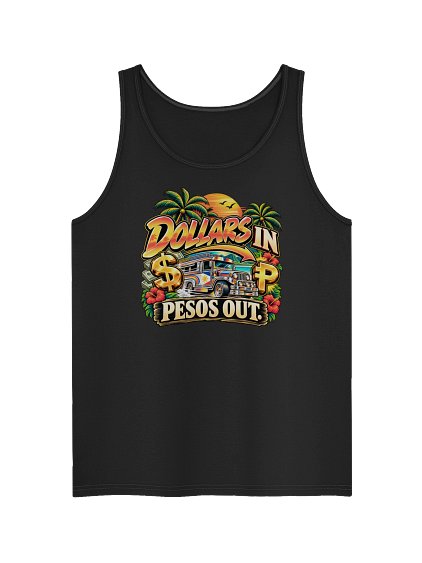
Dollars In. Pesos Out. Tank | Philippines Jeepney
Dollars in. Pesos out. Welcome to the Philippines. This jeepney tank is for men who know the exchange rate before breakfast and the…

Yes, I’m Single T-Shirt | Funny Philippines Jeepney Tee
Yes, I’m single. Yes, the jeepney gets attention too. For the guy arriving in the Philippines with one suitcase, one plan, and no…