
Island Life Daily Living Test
Philippine Fiesta Etiquette: How to Join the Celebration Without Becoming the Main Event
Philippine fiesta etiquette is learned at the edge of a crowded table, when you realize the celebration is not being staged for you. It is a homecoming, a promise, a prayer, a neighborhood reunion, and a great deal of work happening at the same time.
Income first. Plan second. Move third.
Sam hears the street wake before breakfast
The first drumbeat arrives before the coffee.
Composite example — Sam: Sam is 58 and renting a small house in a town outside Cebu City. He has been invited to a neighbor’s fiesta lunch, but the invitation sounded casual: “Come by tomorrow. We will have food.” He imagines a meal at noon and plans to arrive at twelve-thirty with a bottle of wine.
At six in the morning, the lane is already alive. Someone is tying bright flaglets above the road. Plastic chairs appear from three different houses. A motorcycle carries trays covered with cloth. From the kitchen next door comes the sound of chopping, running water, and two women laughing as they work.
Sam realizes that the celebration did not begin when guests were invited. It began days earlier with shopping, cleaning, borrowing tables, arranging music, preparing food, coordinating relatives, and deciding who would meet arriving family at the terminal. The public program is only the visible surface.
He changes his plan. He asks his neighbor Liza whether help is needed and accepts her first answer. When she says the kitchen is already crowded but ice would be useful, he buys ice and soft drinks, brings them before lunch, and gets out of the way. He returns later in a clean shirt, greets the older relatives first, and waits to be shown where to sit.
A fiesta is not just a party for visitors
A Philippine fiesta can include a patron saint’s feast, a civic festival, a harvest celebration, a founding anniversary, a procession, a street-dance competition, sports, music, reunions, and meals in private homes. The mix changes by place. Faith may be central in one community and cultural history more prominent in another.
The National Commission for Culture and the Arts describes the fiesta as a durable expression of community, gratitude, identity, and belonging. Its account also explains why food, processions, bands, decorations, and homecoming relatives often appear together. The celebration is not merely entertainment placed on a street. It is a moment when a town shows itself to itself.
That distinction matters for a newcomer. A parade can be watched like a visitor. A Mass, prayer, procession, or family promise should not be treated like background scenery. A household lunch may feel open and informal, yet the kitchen, bedrooms, altar, and family decisions remain private.
Use curiosity without entitlement. Ask what the event honors. Learn the local name and correct date. Notice whether the people beside you are worshipping, working, competing, selling, or simply enjoying the day. You do not need to imitate devotion you do not share. You do need to avoid interrupting it.
How invitations work when the table keeps growing
Fiesta invitations can be wonderfully loose. A neighbor may say “come eat” without handing you a card, assigning a seat, or naming an exact end time. That warmth is real, but it does not remove your responsibility to read the situation.
Confirm the day and a useful arrival window. Ask whether the invitation is for the home, the public program, or both. If you are bringing a companion, mention that instead of arriving with a group. If the host says no gift is necessary, a modest contribution such as fruit, dessert, soft drinks, or something specifically requested is usually safer than an expensive display.
Take a reasonable first plate. Praise something specific. Accept seconds if offered and if you want them, but do not perform reluctance until the host must keep insisting. If you have allergies, diabetes, alcohol restrictions, or a religious food boundary, explain it quietly and early. The cook should not have to redesign a crowded meal after the serving begins.
When it is time to leave, thank the people who cooked and the person who invited you. A short visit that fits the household rhythm can leave a better impression than staying until the family must begin cleaning around you.
Four spaces, four different kinds of respect
The easiest way to avoid a cultural mistake is to identify what kind of space you have entered.
| Fiesta space | What is happening | Best guest behavior |
|---|---|---|
| Family home | Relatives and invited guests share food while the household manages cooking, seating, and cleanup. | Confirm who is included, bring a modest useful item, wait to be seated, and keep private rooms private. |
| Religious rite | People may be praying, fulfilling a vow, joining Mass, or walking in a procession. | Dress modestly, silence the phone, follow crowd instructions, and photograph only when clearly appropriate. |
| Public program | The town may host music, speeches, contests, sports, or street dancing. | Use designated viewing areas, avoid blocking performers, and follow local traffic and security directions. |
| Vendor area | Small businesses sell food, drinks, crafts, rides, and everyday goods. | Carry manageable cash, ask prices before buying, protect valuables, and do not pressure vendors for a “foreigner discount.” |
One day can move through all four spaces. The behavior that works at a public concert can be rude in a chapel. The friendliness of an open gate does not make every room public. The fact that people welcome photographs on a parade route does not make every worshipper or child a free subject.
Watch first. Ask one simple question when you are unsure. A respectful pause is rarely remembered as badly as a confident intrusion.
Joe brings the wrong kind of generosity
Composite example — Joe: Joe is 63 and has been living in Negros for four months. He likes his neighbors and wants to show gratitude when their family invites him to a fiesta meal. He arrives with a large envelope of cash and announces that he wants to “help pay for everything.”
The room changes. His intention is generous, but the public offer makes the host feel that the family’s hospitality has been priced. A cousin jokes about Joe being the sponsor. Two people begin suggesting other things he could fund. Joe cannot tell whether the requests are serious.
His friend Maribel takes him aside. She explains that help is easier to receive when it is specific, proportionate, and offered without an audience. Joe puts the envelope away. Later he pays for a requested case of drinks and quietly gives the family copies of photographs he took after asking permission.
The lesson is not to become suspicious of every invitation. It is to keep generosity from creating a role you never meant to accept. Do not promise prizes, alcohol, sound equipment, uniforms, or food because the mood is exciting. Do not let a public joke become a financial commitment. If you want to contribute, ask the organizer or host what is actually needed, decide your limit in advance, and confirm who is responsible for the purchase.
A fiesta can reveal how money and relationships interact in a community. That is useful information for a future resident. Warmth is not a bill, and a boundary is not an insult.
Food, drink, photos, and the small signals people remember
Ask what a dish is before piling it onto your plate if you have restrictions. Use serving utensils. Take portions you can finish. If you dislike something, leave the food commentary at the table where it belongs: nowhere. A quiet “I’m full, thank you” is enough.
Alcohol can be part of some celebrations and absent from others. You are never required to drink to prove friendship. If you do drink, keep control of your speech, phone, wallet, and transportation. Arrange the ride home before the evening becomes loud. Never assume a neighbor, young relative, or host will become your driver because you stayed too long.
Photography deserves the same restraint. Wide street scenes, decorations, food, and public performances may be easy subjects, but ask before photographing people closely inside a home. Do not post an embarrassing image, a private altar, a child, a payment code, or the inside of someone’s house merely because it looks “authentic.” The family’s ordinary life is not content inventory.
Dress for the actual event. A hot afternoon does not make swimwear appropriate in town. Comfortable shoes matter when roads close and walking replaces a ride. A small towel, water, sun protection, rain cover, charged phone, power bank, cash in small denominations, and the address written offline can prevent you from turning minor discomfort into somebody else’s problem.
Gear for the Island Life
Island Life merch, shipped by Fourthwall.
Mark learns when helping actually helps
Composite example — Mark: Mark is 50 and spending a scouting month in Bohol. He meets two local women, Ana and Grace, who are decorating for their barangay celebration. Mark sees a ladder and immediately begins directing the work. He moves chairs, changes the flaglet pattern, and tells them how events were organized at his church in the United States.
Ana smiles, then quietly returns everything to its original place. The color order represents groups in the local program. The chairs are being saved for older residents. The ladder belongs to a neighbor who expects it back before noon.
Mark is embarrassed, but he recovers well. He asks, “What job can I do without changing your plan?” Grace gives him a simple one: carry bottled water from a tricycle to the shaded table. He does that job, then waits.
Living well in the Philippines often depends on this adjustment. Competence is valuable; control is not always helpful. The community may have reasons you cannot see, relationships you do not know, and a schedule that was agreed before you arrived.
A respectful guest checklist for your first fiesta
Use this list before you accept an invitation or travel to a major festival:
- Learn what is being honored. Know whether the event is religious, civic, agricultural, historical, or a combination.
- Confirm the current program. Check the local government, parish, organizer, or host instead of relying on an old travel post.
- Name your companion. Do not turn one invitation into an unannounced group.
- Ask about arrival time. “Lunch” may be flexible, but your host can still suggest the best window.
- Bring something proportionate. Choose a modest useful contribution or the item the host requested.
- Protect private space. An open home is not permission to enter bedrooms, kitchens, or family areas.
- Read the religious moment. Silence the phone, step out of the path, and let worshippers lead.
- Carry a small day kit. Water, cash, rain protection, power, medication, and an offline address reduce dependence on others.
- Plan the ride home. Road closures, crowds, rain, and alcohol can change transport.
- Ask before close photographs. Be especially careful with children and private homes.
- Set a giving limit. Decide before the celebration what you can contribute without resentment.
- Thank the workers. Notice the cooks, cleaners, drivers, decorators, vendors, and organizers behind the visible fun.
Then watch your own energy. A packed street, amplified music, unfamiliar food, heat, and long social hours may feel joyful at noon and exhausting by night. Leaving kindly before you become irritable is better than proving you can stay.
Put celebration season inside your Freedom Number
Add transport, a useful contribution, meals away from home, appropriate clothing, mobile data, rain protection, and an occasional overnight stay to your annual social budget. If you expect relatives or friends to visit during a major festival, include higher transport demand, accommodation, and the possibility that normal errands will take longer.
Also budget for boundaries. A separate giving category helps you decide calmly when someone asks for a sponsorship, donation, ticket, uniform, or shared meal. When the category is spent, the answer is no until the next month. That protects both generosity and relationships.
Put the real number inside your Freedom Number, then use Start Here to connect culture, housing, transport, healthcare, and income into one relocation sequence. If dependable pensions, savings, and investments do not cover the life you want with margin, build portable client income before moving.
One simple business-to-business service can target a clear result such as missed-call follow-up, review requests, appointment reminders, or lead reactivation. HighLevel can be the delivery system for that service. It is not a magic income button, a client list, or a replacement for learning to sell and support a real result.
Prove the offer while you are still in the United States. Keep records. Learn the delivery work. Build a reserve. A fiesta should be something you can enjoy as a neighbor, not a day when every purchase reminds you that the move began before the income was ready.
Sources and editorial notes
Checked October 24, 2026.
- National Commission for Culture and the Arts, “The Philippine Fiesta” — cultural history and the fiesta’s role in community, gratitude, identity, food, pageantry, and homecoming.
- NCCA Intangible Heritage — social practices and festive events as a category of intangible cultural heritage.
- Tourism Promotions Board festival calendar — official starting point for named festivals and observances; local schedules still require confirmation.
Composite examples are illustrative combinations, not reports about identifiable people, families, parishes, organizers, or barangays. Invitations, food, religious practice, alcohol, dress, photography, giving, transport, and local programs vary by community. Confirm the current event with the host or local organizer.
Hero image is AI-generated and does not show actual workers, applicants, or a property.
Build your Island Life
Products connected to this guide. Orders and delivery are handled by Fourthwall.
Moving to the Philippines. Build Your Island Life in 30 Days
Your island life starts at home. Before you book the flight, build the plan. Know what you need to pack, what to ask…
I'm an American, But My Heart Is in the Philippines. USA and Filipino Pride Graphic Tee
BORN AMERICAN. FOREVER CONNECTED TO THE PHILIPPINES. 🇺🇸❤️🇵🇭 Your passport says American. Your heart tells another story. Some places you visit. Some places…
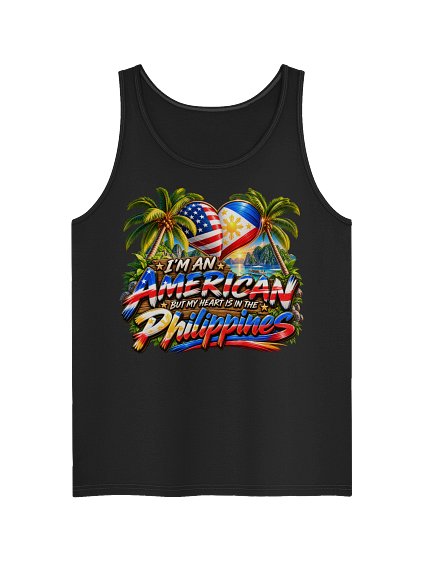
I'm an American, But My Heart Is in the Philippines. USA and Filipino Pride Graphic tank
BORN AMERICAN. FOREVER CONNECTED TO THE PHILIPPINES. 🇺🇸❤️🇵🇭 Your passport says American. Your heart tells another story. Some places you visit. Some places…